Smoothie bowls have taken over social media for a reason. They look beautiful, taste incredible, and feel like a proper meal rather than just a drink. But beyond the aesthetics, a well-made smoothie bowl is genuinely one of the most nutritious breakfasts you can eat. The thick base is packed with vitamins, antioxidants, and natural energy, and the toppings add texture, protein, and fiber that make it filling and satisfying in a way that a regular smoothie simply cannot match. The best part is that they are much easier to make than they look, and once you have the basic technique down, you can customize them endlessly with whatever you have at home.
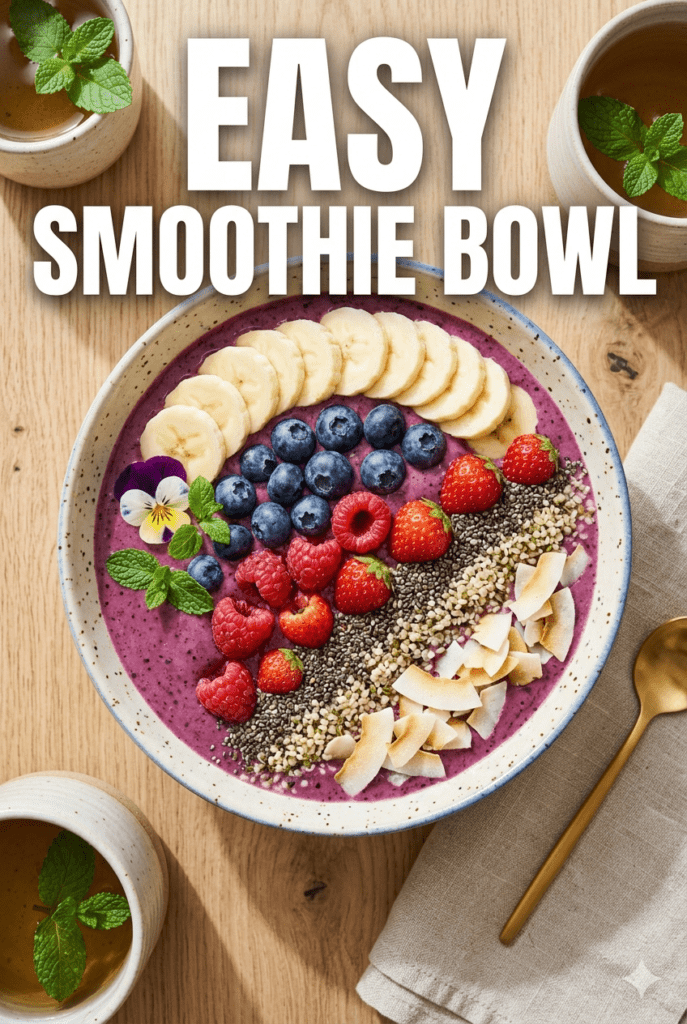
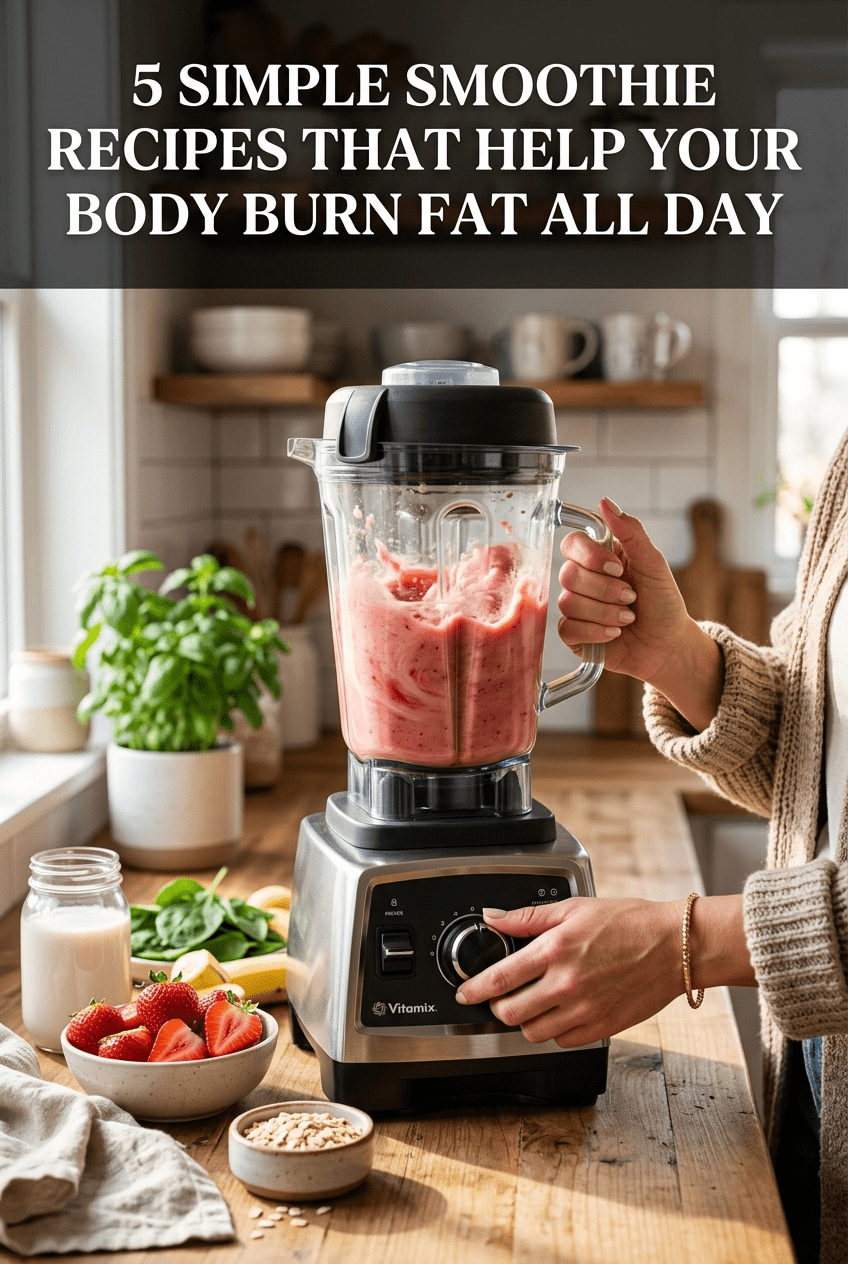
The foundation of any great smoothie bowl is the base, and the key to getting the right thick, spoonable consistency is using frozen fruit and as little liquid as possible. The base recipe is the Classic Acai-Style Berry Bowl. Blend one cup of frozen mixed berries, one frozen banana, half a cup of frozen mango, and just two to three tablespoons of unsweetened almond milk. Use the tamper if your blender has one, or stop and scrape down the sides frequently. You want the consistency of very thick soft-serve ice cream, not a drinkable smoothie. Pour it into a wide bowl and work quickly before it starts to melt.
The toppings are where the smoothie bowl transforms from a simple blended breakfast into something genuinely special. The classic topping combination that works with almost any base is sliced fresh banana, a handful of granola, a tablespoon of chia seeds, a handful of fresh berries, a drizzle of honey, and a sprinkle of shredded coconut. Each topping adds something different. Granola provides crunch and complex carbohydrates. Chia seeds add omega-3 fatty acids and fiber. Fresh berries add color, antioxidants, and vitamin C. Honey adds natural sweetness. Coconut adds healthy fat and a tropical flavor that makes the whole bowl taste like something from a cafe.
The nutritional value of a smoothie bowl depends entirely on what goes into it, but a well-constructed bowl can easily deliver two to three servings of fruit, a meaningful amount of fiber, healthy fats, and a broad spectrum of vitamins and minerals in a single meal. The frozen berries in the base provide anthocyanins that support brain health and reduce inflammation. The banana adds potassium, magnesium, and resistant starch that feeds beneficial gut bacteria. The mango contributes vitamin A, vitamin C, and folate. Together, this base alone provides more nutritional value than most conventional breakfasts.
For a green smoothie bowl variation, blend one cup of frozen mango, one cup of spinach, half a frozen banana, and two tablespoons of coconut milk. The mango completely masks the spinach flavor while the chlorophyll from the spinach turns the base a beautiful bright green. Top with sliced kiwi, pumpkin seeds, granola, and a drizzle of almond butter for a bowl that looks like it came from a wellness cafe and costs a fraction of the price. Smoothie bowls are also an excellent way to use up fruit that is getting too ripe, since freezing overripe bananas and berries is the single best thing you can do to improve your smoothie bowl game. Keep a bag of frozen fruit in your freezer at all times and you are always ten minutes away from a breakfast that is as beautiful as it is good for you.