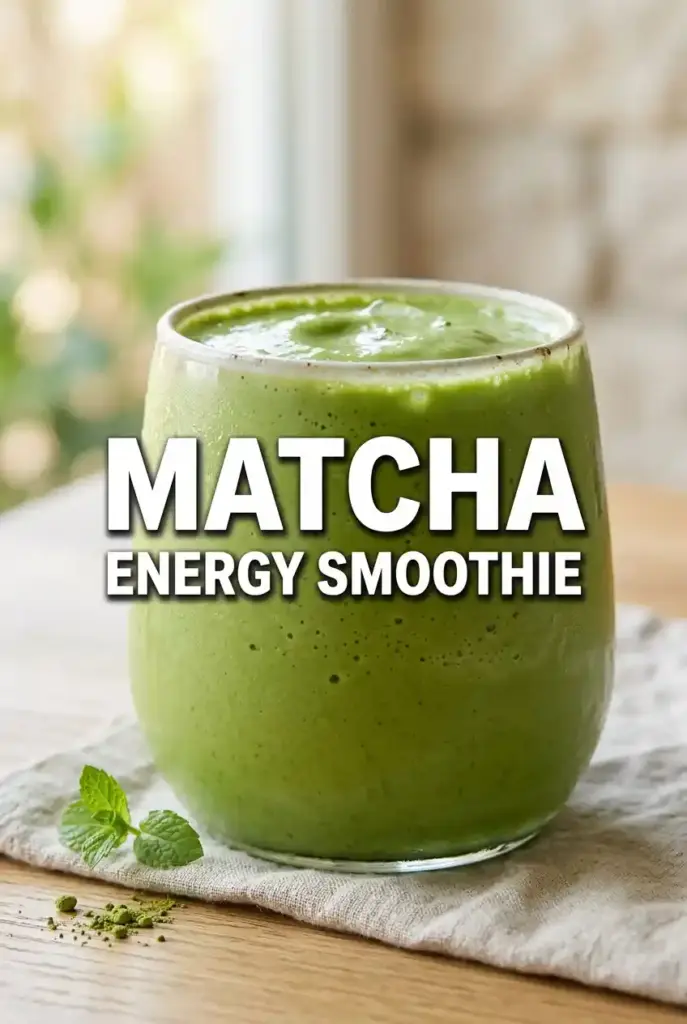
Most people reach for coffee when they need energy in the morning, and while coffee is effective, it comes with well-known downsides. The caffeine spike is often followed by a crash, the acidity can irritate the stomach, and the anxiety and jitteriness that some people experience make it an unreliable energy source. Matcha is different. It contains caffeine in the same family as coffee, but it also contains L-theanine, an amino acid that modulates how the caffeine is absorbed and used. The result is a state of calm, focused alertness that most people describe as feeling alert without feeling wired, energized without feeling anxious, and focused without feeling jittery. It is one of the cleanest and most functional sources of energy available.
The recipe is the Matcha Coconut Energy Smoothie. Blend one teaspoon of high-quality ceremonial grade matcha powder, one frozen banana, half an avocado, one cup of unsweetened coconut milk, one teaspoon of honey, and a handful of ice. The quality of your matcha matters enormously. Ceremonial grade matcha is made from the youngest, most shaded tea leaves and has a bright green color, a smooth flavor, and the highest concentration of EGCG and L-theanine. Lower quality matcha can taste bitter and astringent. Look for matcha that is a vivid, grassy green rather than a dull olive color as this indicates freshness and high quality.
EGCG, or epigallocatechin gallate, is the catechin in matcha that has been most extensively studied for its fat-burning properties. Multiple controlled studies have shown that EGCG increases fat oxidation during exercise by up to 17 percent and raises resting metabolic rate measurably when consumed daily. It works by inhibiting the enzyme that breaks down norepinephrine, a hormone that signals fat cells to release their stored fat for use as energy. By keeping norepinephrine active for longer, EGCG effectively extends the period during which your body is burning fat, which is why athletes and fitness professionals who want to maximize fat loss during training often use matcha as a pre-workout supplement.
The avocado in this smoothie serves a dual purpose. It creates the exceptionally creamy, thick texture that makes this drink feel substantial and satisfying rather than like a watery health shot. And its healthy monounsaturated fat slows the absorption of the caffeine in the matcha, extending the energy it provides over a longer period and reducing the risk of any crash later in the morning. The combination of L-theanine, EGCG, and the fat from avocado creates an energy profile that is genuinely unlike anything else you can drink in the morning.
For an even more powerful energy version, add one tablespoon of hemp seeds for complete protein and additional omega-3 fatty acids that support brain function and reduce the mental fatigue that can set in mid-morning. For a lighter version with a more pronounced matcha flavor, replace the coconut milk with unsweetened almond milk and reduce the banana to half. Drink this smoothie thirty minutes before your morning workout or immediately after waking up on days when you need to be sharp, focused, and performing at your best. Within a week of daily use, most people find that they no longer reach for a second coffee in the afternoon because the matcha smoothie provides the kind of sustained, clean energy that keeps them going comfortably until the end of the day.